A leaking sewer line does not always announce itself. There may be no dramatic change in the colour of a river, borehole or storage tank. Water can still look perfectly usable while carrying microorganisms that should never reach a drinking-water source.
This is the reason why the issue of sewage contamination is very serious. When human waste gets into the surface water, groundwater, or insecure water supply, it may carry along bacteria, viruses, and parasites. If the water is drunk, used for preparing food, or handled without any appropriate treatment, the process from sewage to infection can be surprisingly quick.
Thus, the problem is more complicated than just using somebody wise and unpleasant water. It concerns how efficiently is the sewage kept away from the water supply.
Table of Contents
ToggleWhat Does Sewage Contamination Actually Mean?
Sewage contains wastewater from toilets, bathrooms, kitchens and other domestic activities. Depending on where it originates, it may contain human waste, organic matter, cleaning chemicals, nutrients, microorganisms and other pollutants.
Sewage pollution happens when sewage is released into rivers, underground water reservoirs, or drinking water systems without appropriate treatment and prevention measures.
Numerous factors can cause sewage discharge. One of them is malfunctioning sewage systems. Another factor is overflowing after heavy rainfall. Other factors may include faulty municipal treatment systems, leaking septic tanks, and uncontrolled sewage disposal.
Health problems are mostly caused by microbes. WHO states that sewage pollution presents major risk concerning microbiological contamination of drinking water.
Why Sewage Contamination Can Lead to Waterborne Diseases
The connection becomes easier to understand when we follow what happens after sewage enters water.
Infected persons produce faeces that contain microorganisms. Once these organisms enter the sewage system, they can reach rivers, lakes and aquifers if wastewater is not treated properly.
Infected people need not necessarily touch or come into contact with sewage directly. They may drink contaminated water or use it to wash their dishes and prepare their food or get exposed when flooding occurs. Contamination may make its way into water pipe system.
Because of this faecal-oral pathway many water-related diseases appear. According to WHO, human faeces is an important source of water diseases since it can contain pathogenic microorganisms.
This is why sewage water can’t be assessed just by examining the water visually. Microbiological risks can be present in the water even if there is no visible contamination.
Diseases Linked to Sewage-Contaminated Water
Discussion around contaminated water diseases often gets reduced to an upset stomach. In reality, the potential consequences are much broader.
Cholera
Cholera is caused by the bacterium Vibrio cholerae and spreads through contaminated food or water. The illness can cause severe watery diarrhoea and potentially dangerous dehydration. WHO continues to emphasise safe water, adequate sanitation and hygiene as central measures for preventing cholera transmission.
Typhoid Fever
Typhoid can spread when food or water is contaminated with faecal matter containing Salmonella Typhi. Areas where sanitation and safe-water systems are inadequate face greater transmission risks.
Dysentery and Diarrhoeal Illness
Several bacterial, viral and parasitic infections can cause diarrhoea. WHO specifically identifies contaminated water and inadequate sanitation as important factors in diarrhoeal disease transmission.
This is an important point when discussing diseases caused by contaminated water: the same polluted source may carry different pathogens rather than one single organism.
Hepatitis A
Hepatitis A can also spread through the faecal-oral route, including through contaminated food and water. Preventing human waste from entering water supplies remains an important barrier against transmission.
These examples show why the relationship between water pollution and diseases deserves attention long before an outbreak is reported.
How Does Sewage Reach a Water Source?
In many cases, the problem begins somewhere upstream.
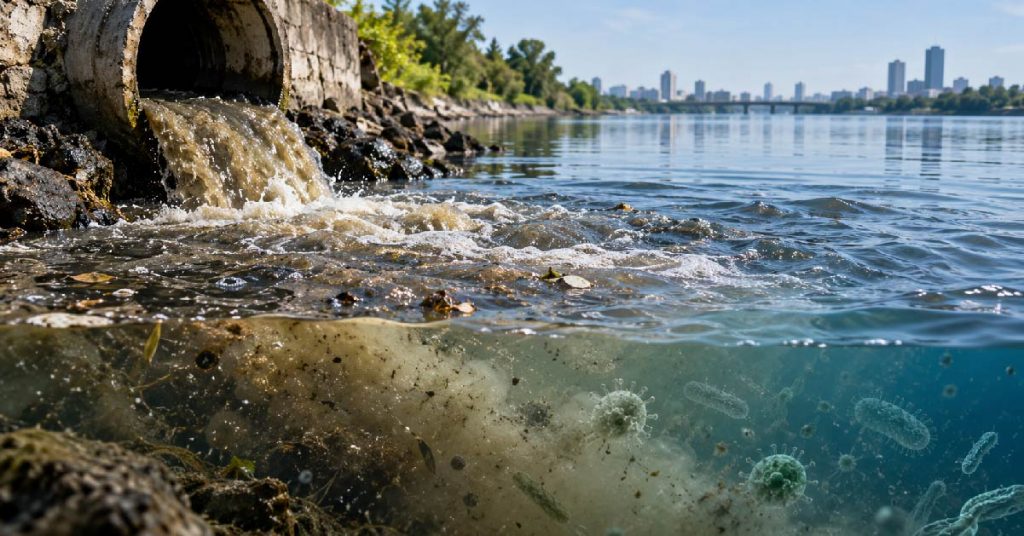
An overflowing wastewater system can release wastewater to a river that is close by. A damaged sewer can result in wastewater leaking into the soil nearby. Poorly maintained septic systems can be a hazard to shallow groundwater. Rain can wash fecal contamination to sources of surface water.
Discharge of untreated sewage to rivers is a matter of great concern, but indirect routes can be as dangerous.
Groundwater may seem to be safe because it is located underground. Wells, however, may still be affected by bad location, damage, or poor management of sanitation systems.
This means we need to take a look at the entire water cycle, not just the drinking-water tap, when assessing sewage contamination.
Why the Risk Can Escalate Quickly
Water moves, and so does contamination.
Once pathogens reach a shared source, many people can potentially be exposed over a relatively short period. The risk becomes greater where communities have limited access to alternative safe-water supplies or where monitoring does not identify deterioration quickly.
Children can be particularly vulnerable to severe diarrhoeal illness and dehydration. WHO estimates that microbiologically contaminated drinking water contributes substantially to diarrhoeal disease globally.
This is why conversations about water pollution and diseases should include prevention, not merely treatment after people become ill.
Prevention Starts Before the Drinking-Water Plant
People might easily conclude that the Secret is to deal more effectively with drinking water, but it’s a partial view of the issue.
The more secure system is keeping raw sewage out of the source.
We ensure this by establishing efficient sewerage systems, operating sewage treatment plants properly, monitoring facilities, and disposing of treated wastewaters according to best practices.
The importance of a multi-barrier approach lies in the fact that waterborne diseases are going to be prevented more effectively by controlling the risk throughout the production process than by relying on a single treatment step.
The Role of Sewage Treatment in Reducing Risk
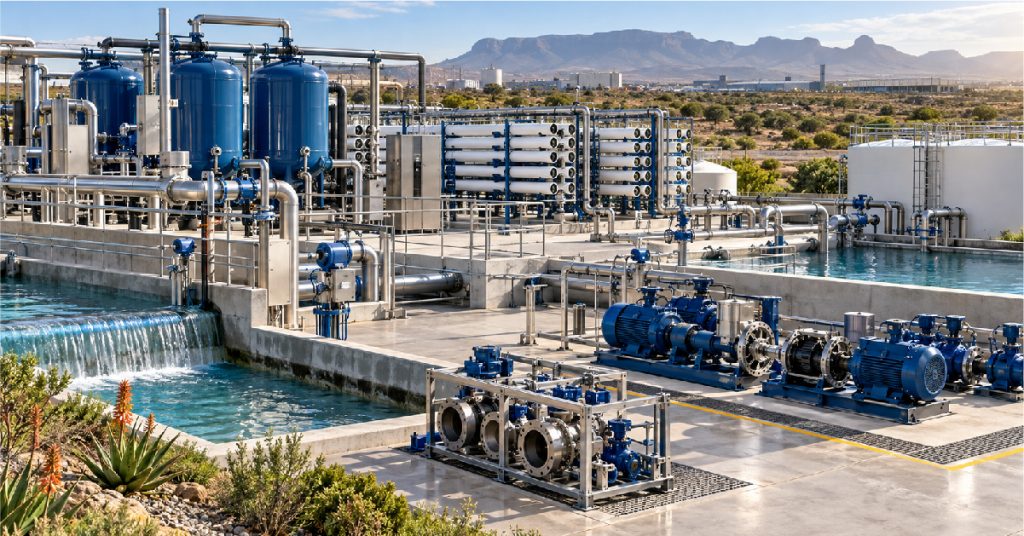
A sewage treatment plant is designed to remove contaminants from wastewater before the treated water is discharged or, where appropriate, reused.
Treatment typically begins by removing larger solids. Biological processes then reduce biodegradable organic matter, while clarification separates solids from treated wastewater. Depending on the required outlet quality and reuse objective, filtration, membrane treatment and disinfection may follow.
Ion Exchange Safic provides sewage and wastewater treatment solutions in South Africa for municipalities, industries, residential developments, commercial facilities and institutions. Its sewage treatment portfolio includes technologies such as Membrane Bioreactor (MBR), Sequencing Batch Reactor (SBR), Moving Bed Biofilm Reactor (MBBR), Fluidised Media Reactor (FMR) and packaged sewage treatment systems.
Final Thoughts
Sewage contamination is ultimately a breakdown in the barrier that should separate human waste from usable water.
Once that barrier fails, pathogens can move through rivers, groundwater, storage systems and other water sources, increasing the possibility of waterborne diseases. The consequences may range from diarrhoeal illness to serious infections such as cholera and typhoid.
Reducing that risk requires more than reacting to visibly polluted water. Reliable sewage collection, effective treatment, monitoring and proper wastewater management all matter.
For municipalities, institutions and businesses dealing with sewage contamination or planning stronger wastewater infrastructure, connect with Ion Exchange experts to identify a sewage treatment solution suited to your wastewater characteristics, treatment capacity and reuse requirements.
FAQs
What are the main health risks of sewage contamination?
The main concern is exposure to disease-causing bacteria, viruses and parasites originating from human waste. Depending on the pathogen involved, exposure may contribute to diarrhoea, cholera, dysentery, typhoid and other illnesses.
How does sewage water contamination affect drinking water?
Untreated or poorly managed sewage can enter rivers, reservoirs or groundwater sources. If that water subsequently reaches people without adequate treatment, microbial contamination can create a public-health risk.
What are common contaminated water diseases?
Commonly discussed contaminated water diseases include diarrhoeal illnesses, cholera, dysentery, typhoid and hepatitis A. The actual risk depends on which pathogens are present and how exposure occurs.
What are the diseases caused by contaminated water?
Diseases caused by contaminated water can include bacterial, viral and parasitic infections. WHO lists diarrhoea, cholera, dysentery, typhoid and polio among illnesses that may be transmitted through microbiologically contaminated drinking water.
Can sewage treatment help prevent waterborne diseases?
Yes. Effective sewage treatment reduces contaminants before wastewater is discharged or reused. When combined with safe sanitation, source-water protection, drinking-water treatment and monitoring, it forms an important barrier against pathogen transmission.