
Growing urban populations, industrial development, and increasing water challenges have made effective wastewater management essential in South Africa.
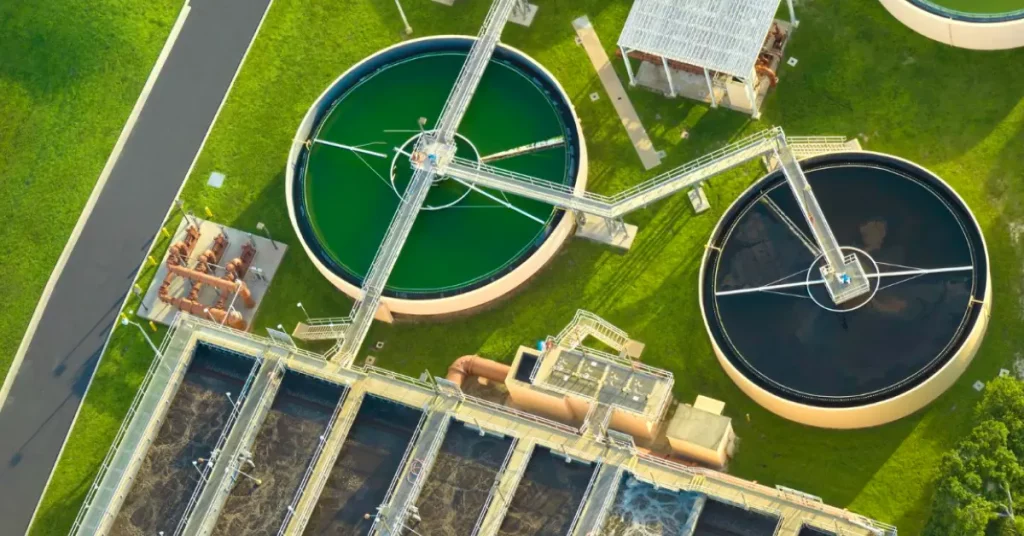
A modern sewage treatment plant helps remove pollutants from domestic wastewater and converts it into treated water suitable for safe discharge or reuse.
From residential communities and commercial buildings to municipalities and industries, advanced wastewater treatment plants play an important role in protecting water resources and supporting sustainable water management.
Understanding how an STP plant operates helps industries, municipalities, and facility managers select the right treatment solution based on wastewater characteristics, capacity requirements, and reuse goals.
Table of Contents
ToggleWhat Is a Sewage Treatment Plant?
A sewage treatment plant is a system designed to treat wastewater generated from households, commercial facilities, institutions, and other sources.
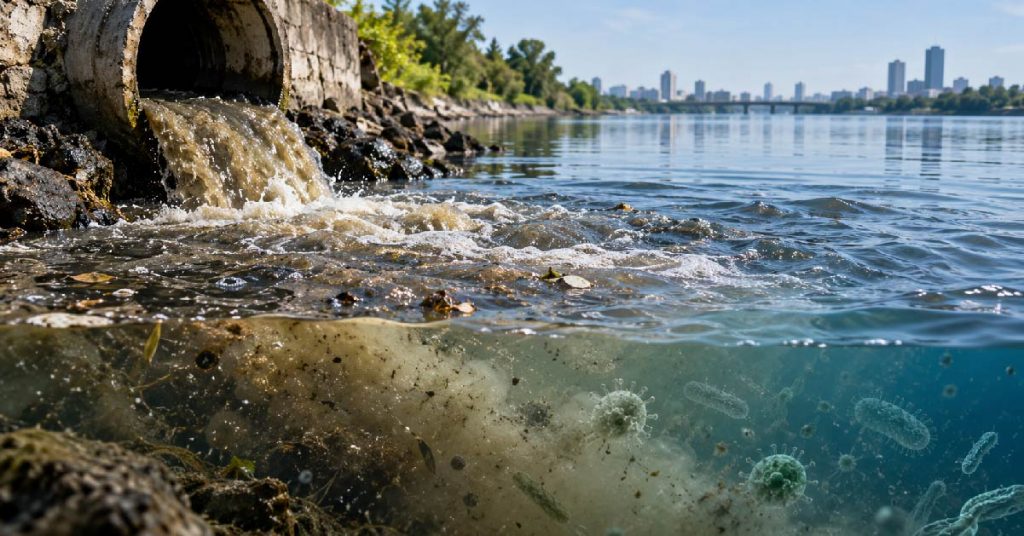
Sewage mainly contains:
- Organic matter
- Suspended solids
- Nutrients
- Oils and grease
- Pathogens
- Dissolved contaminants
The purpose of sewage treatment is to remove these pollutants before the treated water is discharged into the environment or reused for applications such as irrigation, flushing, cleaning, and landscaping.
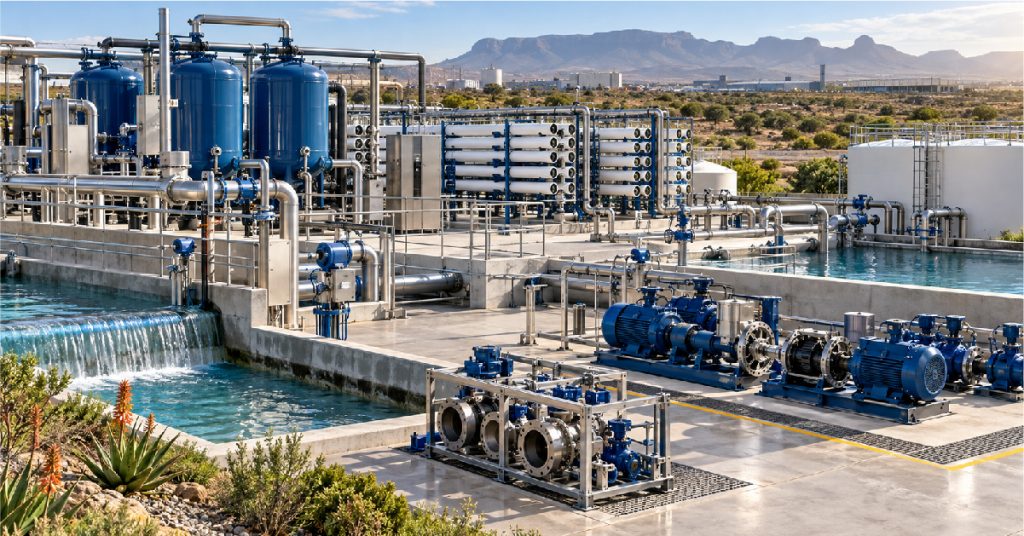
A modern water treatment plant combines physical, biological, and advanced filtration processes to achieve consistent treated-water quality.
How Does a Sewage Treatment Plant Work?
A typical sewage treatment plant operates through multiple stages to gradually remove contaminants.
1. Preliminary Treatment
The first stage removes large physical materials from incoming sewage.
Common processes include:
- Screening
- Grit removal
- Oil and grease separation
This protects pumps, pipelines, and downstream treatment equipment from damage.
2. Primary Treatment
During primary treatment, suspended solids settle through sedimentation.
Heavy particles settle as sludge, while lighter materials are removed from the wastewater surface.
This stage reduces the initial pollutant load before biological treatment.
3. Biological Treatment
Biological treatment is the core process of most modern sewage treatment systems.
Microorganisms break down organic pollutants present in wastewater.
Common biological technologies include:
MBBR (Moving Bed Biofilm Reactor)
MBBR uses specially designed media that support microbial growth. It provides efficient treatment within a compact footprint.
SBR (Sequencing Batch Reactor)
SBR combines aeration, settling, and decanting within the same reactor, allowing automated operation and consistent treatment performance.
MBR (Membrane Bioreactor)
MBR combines biological treatment with membrane filtration to produce high-quality treated water suitable for reuse applications.
4. Filtration and Disinfection
After biological treatment, additional processes may be used to improve treated-water quality.
These may include:
- Sand filtration
- Activated carbon filtration
- Ultrafiltration
- Reverse osmosis
- UV disinfection
- Chlorination
These processes help remove remaining particles, microorganisms, and specific contaminants.
5. Sludge Treatment
Wastewater treatment generates sludge containing concentrated solids.
Proper sludge management includes:
- Thickening
- Dewatering
- Drying
- Safe disposal or reuse
Efficient sludge handling reduces environmental impact and operating challenges.
Importance of Sewage Treatment Plants in South Africa
South Africa faces increasing pressure on freshwater resources due to climate variability, population growth, and industrial demand.
Modern Sewage Treatment Plants in South Africa help address these challenges by:
- Reducing wastewater pollution
- Protecting rivers and water bodies
- Supporting water reuse
- Reducing freshwater dependency
- Improving environmental compliance
For municipalities and industries, wastewater treatment is becoming an important part of sustainable water management.
Applications of Sewage Treatment Plants
Municipal Wastewater Treatment
Municipalities use large-scale treatment systems to process wastewater collected from residential areas, commercial buildings, and public facilities.
Municipal wastewater treatment plants are designed to handle high flow volumes while maintaining consistent treated-water quality.
Residential Complexes
Housing developments use compact STP plants to treat sewage generated from households and common facilities.
Treated water can be reused for:
- Gardening
- Flushing
- Cleaning
Commercial Buildings and Institutions
Hotels, hospitals, schools, and office complexes require reliable sewage treatment systems to manage daily wastewater generation.
Industrial Facilities
Industries may require separate sewage and process wastewater treatment systems.
Industrial facilities often combine sewage treatment with industrial wastewater treatment solutions to manage different wastewater streams effectively.
Technologies Used in Modern STP Plants
The selection of technology depends on:
- Wastewater flow
- Available space
- Required treated-water quality
- Operating cost
- Reuse requirements
Common technologies include:
MBR Systems
Suitable where high-quality treated water and compact design are required.
SBR Systems
Suitable for facilities requiring automated operation and consistent performance.
MBBR Systems
Suitable for variable wastewater loads and space-limited applications.
FMR Systems
Provides compact biological treatment for residential, commercial, and institutional applications.
Benefits of Modern Sewage Treatment Plants
A well-designed sewage treatment plant provides:
- Improved wastewater quality
- Compliance with environmental standards
- Reduced freshwater consumption
- Water reuse opportunities
- Lower pollution impact
- Reliable long-term operation
- Better resource management
Advanced STP systems also help facilities reduce dependence on external water sources and improve sustainability.
Factors to Consider When Selecting an STP Plant
Choosing the right treatment system requires evaluating several factors.
Wastewater Characteristics
Water analysis helps determine:
- Organic load
- Suspended solids
- Nutrient levels
- Contaminants present
Treatment Capacity
The plant should be designed according to:
- Daily sewage generation
- Peak flow conditions
- Future expansion requirements
Available Space
Compact technologies such as MBR and FMR are useful where land availability is limited.
Energy Efficiency
Efficient aeration systems, pumps, and automation help reduce operational costs.
Operation and Maintenance Support
Long-term performance depends on:
- Regular monitoring
- Preventive maintenance
- Operator training
- Technical support
Ion Exchange Sewage Treatment Solutions
Ion Exchange provides complete sewage treatment plant solutions for municipalities, industries, residential developments, commercial facilities, and institutions.
Its portfolio includes advanced STP technologies such as:
- Membrane Bioreactor (MBR)
- Sequencing Batch Reactor (SBR)
- Moving Bed Biofilm Reactor (MBBR)
- Fluidised Media Reactor (FMR)
- Packaged sewage treatment plants
Ion Exchange designs systems based on wastewater characteristics, treatment capacity, available footprint, and treated-water reuse requirements.
The company also provides integrated solutions including filtration, disinfection, reverse osmosis, automation, and operation and maintenance support.
These solutions help customers achieve reliable municipal wastewater treatment, improved water recovery, and sustainable wastewater management.
Conclusion
Modern sewage treatment plants are essential for managing wastewater challenges in South Africa.
By combining biological treatment, filtration, and advanced technologies, an STP plant removes contaminants, improves water quality, and enables safe reuse.
The right treatment solution depends on wastewater characteristics, capacity requirements, compliance needs, and future water reuse objectives.
Connect with Ion Exchange experts for customised sewage treatment plants, wastewater treatment solutions, and complete water management systems designed for reliable and sustainable operations in South Africa.
FAQs
What is a sewage treatment plant?
A sewage treatment plant treats wastewater by removing organic matter, suspended solids, microorganisms, and other contaminants before discharge or reuse.
How does a modern STP plant work?
A modern STP plant uses multiple stages, including screening, biological treatment, filtration, disinfection, and sludge management, to produce treated water.
Which sewage treatment technology is best?
The best technology depends on wastewater flow, available space, treatment requirements, and reuse goals. MBR, SBR, MBBR, and FMR are commonly used technologies.
Can treated sewage water be reused?
Yes. Treated sewage water can be reused for applications such as irrigation, flushing, cleaning, landscaping, and other approved non-potable uses.
What is the difference between an STP and a wastewater treatment plant?
An STP mainly treats domestic sewage, while a wastewater treatment plant is a broader term that includes systems treating industrial, municipal, and other wastewater streams.