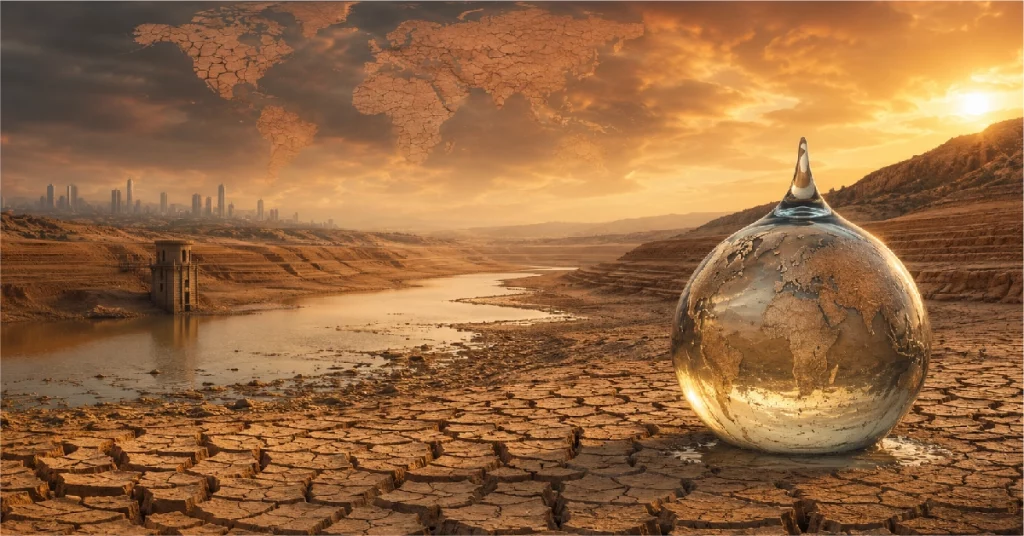
Water scarcity is no longer limited to regions with naturally low rainfall. Changing climate patterns are affecting rainfall, drought frequency, water availability, and the reliability of freshwater sources across the world.
For countries such as South Africa, where water resources are already under pressure, climate-related changes can make existing challenges more difficult to manage.
Understanding the connection between climate change and water scarcity is important for developing long-term solutions that protect freshwater resources, improve water efficiency, and strengthen water security.
Table of Contents
ToggleWhat Is Water Scarcity?
Water scarcity occurs when available freshwater resources are insufficient to meet the needs of people, agriculture, industries, and ecosystems.
It can result from:
- Low or unreliable rainfall
- Prolonged droughts
- Rising water demand
- Groundwater depletion
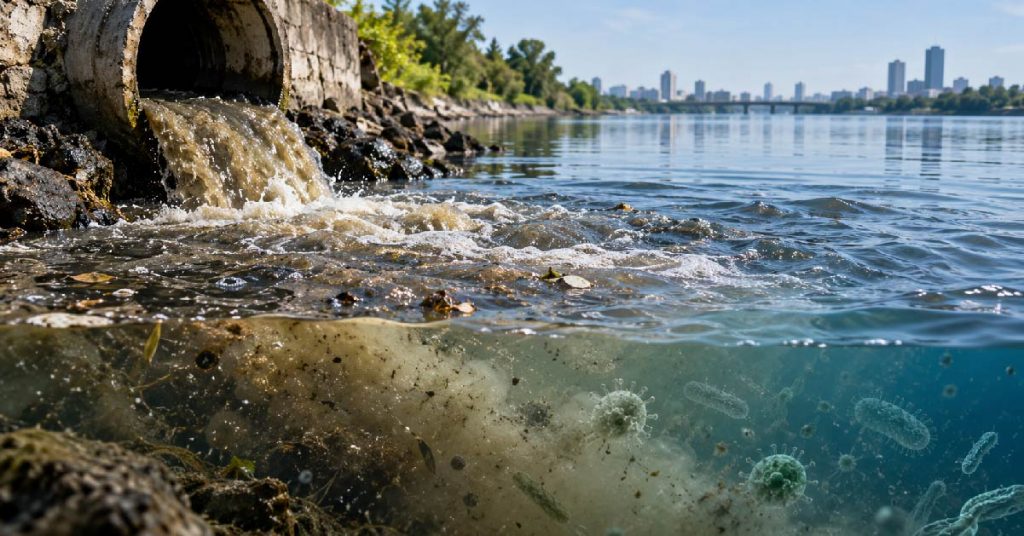
- Pollution of freshwater sources
- Inefficient water use
Water scarcity can be physical, where sufficient water is not available, or economic, where infrastructure and management limitations prevent communities from accessing available resources.
How Climate Change Is Increasing Water Scarcity?
Climate change affects water availability through several interconnected changes in the water cycle.
Changing Rainfall Patterns
Climate change can alter the timing, intensity, and distribution of rainfall.
Some regions may experience longer dry periods, while others may receive more intense rainfall over shorter periods.
Heavy rainfall does not necessarily solve water scarcity because rapid runoff can limit groundwater recharge and increase flooding and water pollution.
More Frequent and Severe Droughts
Extended periods of below-average rainfall can reduce:
- Reservoir levels
- River flows
- Groundwater recharge
- Soil moisture
- Agricultural water availability
Repeated drought conditions can place additional pressure on already stressed freshwater systems.
Rising Temperatures
Higher temperatures increase evaporation from reservoirs, rivers, soil, and other water sources.
They can also increase water demand for:
- Agriculture
- Cooling
- Irrigation
- Domestic consumption
- Industrial operations
This can widen the gap between available water and demand.
Impact on Groundwater Resources
Groundwater provides an important source of freshwater for communities and industries.
Reduced rainfall and increased extraction can limit groundwater recharge. In coastal regions, excessive groundwater extraction can also increase the risk of saline water intrusion.
Protecting groundwater therefore requires both sustainable extraction and effective water-resource management.
The Impact of Climate Change on Water Resources
The impact of climate change on water resources extends beyond simply reducing the amount of available freshwater.
Climate-related changes can affect:
Drinking Water Supply
Lower reservoir levels, changing river flows, and deteriorating source-water quality can make reliable drinking-water supply more challenging.
Agriculture
Agriculture is highly dependent on predictable water availability. Drought and changing rainfall patterns can increase irrigation requirements and affect crop productivity.
Industrial Operations
Industries require water for processing, cooling, boilers, cleaning, and other applications. Reduced freshwater availability can affect production reliability and increase the importance of water recycling.
Ecosystems
Reduced river flows and changing water availability can place stress on aquatic ecosystems and freshwater habitats.
Why Is South Africa Particularly Vulnerable?
South Africa already faces significant water-management challenges, making climate-related changes an important concern for long-term water security.
The country’s water resources can be affected by:
- Variable rainfall
- Drought conditions
- Increasing water demand
- Pressure on surface-water resources
- Groundwater dependence
- Urban and industrial growth
Ion Exchange’s South Africa performance data shows that water scarcity, water quality, filtration, and water infrastructure are among the topics generating strong engagement in the market.
This highlights the importance of addressing both water availability and the technologies required to make better use of available resources.
How Water Scarcity Affects Industries?
Water-intensive industries can face several operational challenges when freshwater availability declines.
Higher Water Procurement Costs
Limited availability can increase the cost of sourcing and transporting water.
Production Risks
Industries that depend on consistent process-water supply may face operational disruptions during periods of water stress.
Greater Regulatory Pressure
Water-stressed regions may introduce stricter requirements around abstraction, discharge, and water use.
Increased Need for Water Recycling
Industries may need to recover and reuse treated wastewater to reduce their dependence on freshwater sources.
How Can Industries Respond to Water Scarcity?
Addressing global water scarcity requires a combination of conservation, treatment, recycling, and alternative water sources.
Improve Water Efficiency
Industries can identify high-consumption processes and optimise water use through better monitoring and process control.
Recycle Treated Wastewater
Wastewater can be treated and reused for suitable applications such as:
- Cooling
- Cleaning
- Irrigation
- Utilities
- Selected industrial processes
The required treatment depends on the intended reuse quality.
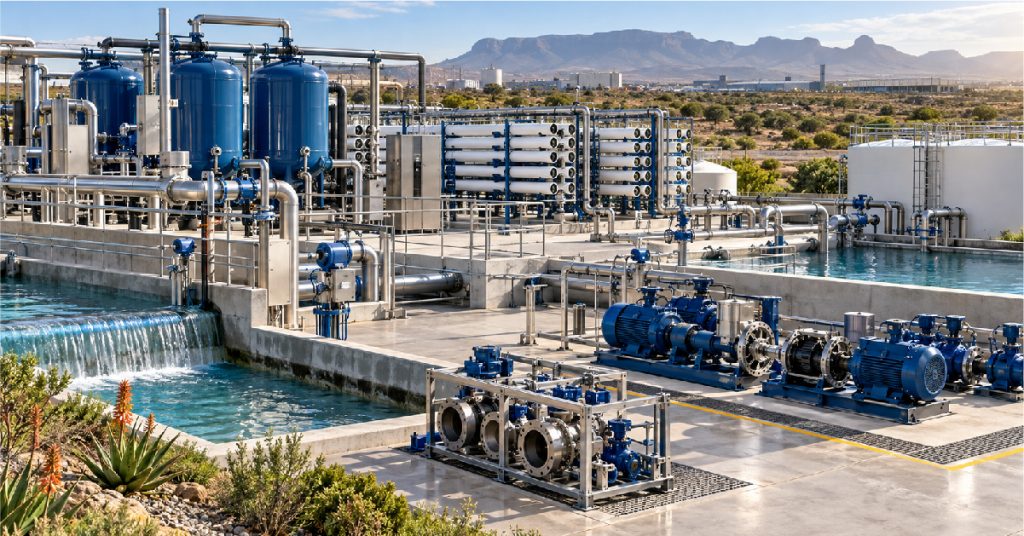
Use Advanced Water Treatment
Technologies such as:
- Ultrafiltration
- Reverse osmosis
- Ion exchange
- Membrane bioreactors
- Advanced filtration
can help industries treat challenging water sources and recover water for reuse.
Consider Desalination
In coastal areas facing freshwater shortages, seawater desalination can provide an additional source of water.
Ion Exchange has documented desalination projects in North Africa specifically developed in response to water scarcity and declining rainfall. Its projects include a 40 MLD desalination plant and a 240 MLD SWRO skid plant designed to supply high-quality water for industrial and community applications.
Technologies That Can Support Water Security
Reverse Osmosis
RO can remove dissolved salts and other contaminants from brackish water and seawater, making it an important technology for desalination and water reuse.
Ultrafiltration
UF can remove suspended particles, colloids, and microorganisms and can be used as pretreatment or as part of water-recycling systems.
Wastewater Treatment
Modern biological, chemical, and membrane treatment systems can convert industrial wastewater into water suitable for discharge or further reuse.
Water Recycling and Reuse
Recycling reduces the need to continuously draw freshwater from natural sources and can improve the overall efficiency of industrial water systems.
High-Rate Water Treatment
Technologies such as high-rate clarification can help existing treatment infrastructure handle greater water-treatment requirements without necessarily requiring additional land.
Ion Exchange Solutions for Water Security
Ion Exchange provides integrated water and wastewater treatment solutions designed to help industries, municipalities, and communities manage water more efficiently.
Its capabilities include:
- Raw water treatment
- Drinking water treatment
- Industrial water treatment
- Wastewater treatment
- Water recycling and reuse
- Reverse osmosis
- Desalination
- High-rate clarification
- Operation and maintenance
Ion Exchange’s documented water-infrastructure projects demonstrate its focus on water security. In Sri Lanka, for example, it executed an integrated water-supply project designed to meet 2030 demand for a population of 573,000 while addressing salinity caused by seawater ingress during summer. The project included water-treatment plants, intake infrastructure, distribution systems, automation, SCADA, and O&M support.
Such integrated approaches can help regions improve the reliability of water supply while making better use of available resources.
Building Long-Term Water Security
Climate-related water stress cannot be addressed through a single technology.
Long-term water security requires a combination of:
Water conservation + efficient treatment + wastewater recycling + alternative water sources + better infrastructure + responsible water management
For industries, this means looking beyond individual treatment plants and developing an overall water-management strategy.
For communities and municipalities, resilient water infrastructure, reliable treatment systems, and diversified water sources can help reduce vulnerability to changing climate conditions.
Conclusion
Climate change and water scarcity are closely connected through changing rainfall patterns, rising temperatures, drought, groundwater stress, and increasing water demand.
As freshwater resources come under greater pressure, industries and communities need to improve water efficiency, recycle wastewater, protect existing sources, and consider alternative supplies such as desalination where appropriate.
Building resilient water systems today can help strengthen long-term water security in South Africa and around the world.
Connect with Ion Exchange experts for integrated water treatment, wastewater recycling, desalination, and sustainable water-management solutions designed to address changing water-security requirements.
FAQs
How does climate change cause water scarcity?
Climate change can alter rainfall patterns, increase temperatures and evaporation, intensify drought conditions, and affect groundwater recharge, reducing the reliability of freshwater resources.
What are the main causes of global water scarcity?
Water scarcity can result from drought, changing rainfall, population growth, increasing industrial and agricultural demand, groundwater depletion, pollution, and inefficient water management.
Why is South Africa vulnerable to water scarcity?
South Africa already faces variable rainfall and pressure on freshwater resources. Climate-related changes can increase these existing challenges by affecting rainfall, drought conditions, and water demand.
Can wastewater recycling help reduce water scarcity?
Yes. Treating and reusing wastewater for suitable applications can reduce freshwater demand and improve overall water efficiency.
Can desalination help address climate-induced water scarcity?
Yes. Desalination can provide an additional source of freshwater in suitable coastal regions, particularly where conventional freshwater sources are under pressure.