Water treatment is a critical requirement for industries, municipalities, and infrastructure projects across South Africa. With increasing pressure on water resources and growing demand for high-quality process water, treatment facilities must adopt technologies that deliver efficient clarification, reliable performance, and cost-effective operation.
One of the most effective technologies used in modern water treatment plants is the solid contact clarifier. Designed to combine coagulation, flocculation, and sedimentation within a single unit, solid contact clarifiers improve the efficiency of the clarification process in water treatment while reducing plant footprint and operational complexity.
Today, these systems are widely used in municipal water treatment facilities, industrial water treatment plants, and wastewater treatment applications where effective suspended solids removal is essential.
Table of Contents
ToggleWhat Is a Solid Contact Clarifier?
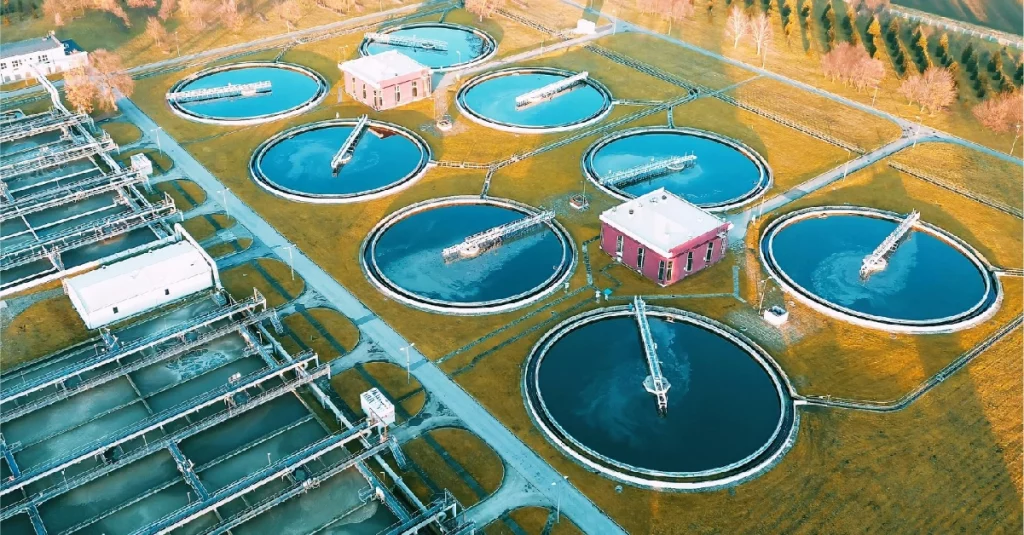
A solid contact clarifier is an advanced water clarification system that combines multiple treatment stages into a single compact unit.
Unlike conventional clarification systems that perform coagulation, flocculation, and settling separately, a solid contact clarifier integrates these processes to improve treatment efficiency.
The system works by:
- Mixing incoming water with treatment chemicals
- Promoting floc formation
- Recirculating settled solids
- Accelerating particle aggregation
- Settling suspended solids efficiently
This integrated approach improves water quality while reducing treatment time and operational costs.
Why Clarification Is Important in Water Treatment?
Raw water often contains:
- Suspended solids
- Silt and clay particles
- Organic matter
- Algae
- Turbidity-causing contaminants
If these impurities are not removed effectively, they can impact downstream treatment processes and reduce overall plant efficiency.
The clarification process in water treatment is therefore essential for:
- Improving water quality
- Reducing turbidity
- Protecting filtration systems
- Enhancing treatment efficiency
- Meeting water quality standards
Solid contact clarifiers play a key role in achieving these objectives.
How Does a Solid Contact Clarifier Work?
The operation of a solid contact clarifier typically involves several treatment stages.
Coagulation
Coagulants are added to destabilize fine suspended particles.
These chemicals neutralize particle charges, allowing contaminants to combine more easily.
Flocculation
Gentle mixing promotes the formation of larger flocs.
As particles combine, they become heavier and easier to settle.
Solids Contact Zone
One of the unique features of a solid contact clarifier is the recirculation of previously settled solids.
These recycled solids act as seed particles that encourage rapid floc formation and improve settling efficiency.
Sedimentation
The formed flocs settle in the clarification zone, producing clarified water while concentrating solids into sludge.
Sludge Removal
Settled solids are continuously or periodically removed for further treatment and disposal.
Advantages of Solid Contact Clarifiers
Enhanced Suspended Solids Removal
Solid contact clarifiers are highly effective at removing:
- Fine suspended particles
- Turbidity
- Organic matter
- Colloidal contaminants
This improves the quality of clarified water and supports downstream treatment processes.
Compact Design
Compared to conventional treatment systems, solid contact clarifiers require less space because multiple treatment stages occur within a single unit.
This makes them ideal for facilities with limited land availability.
Faster Clarification
The solids contact mechanism accelerates floc formation and settling, resulting in improved treatment rates and shorter retention times.
Lower Operating Costs
By improving treatment efficiency, solid contact clarifiers help reduce:
- Chemical consumption
- Energy requirements
- Operational complexity
This contributes to lower overall treatment costs.
Consistent Water Quality
The system delivers stable performance even when raw water quality fluctuates, ensuring reliable treatment outcomes.
High Rate Clarifiers vs Conventional Clarifiers
A high-rate clarifier is designed to process larger volumes of water within a smaller footprint.
Compared with conventional clarification systems, high-rate clarifiers offer:
| Feature | Conventional Clarifier | High Rate Clarifier |
| Treatment Capacity | Moderate | High |
| Footprint | Large | Compact |
| Settling Efficiency | Standard | Enhanced |
| Hydraulic Retention Time | Longer | Shorter |
| Operational Efficiency | Moderate | High |
Many modern solid contact clarifiers incorporate high-rate clarification principles to maximize performance.
Applications of Solid Contact Clarifiers
Municipal Water Treatment
Municipal plants use solid contact clarifiers to improve raw water quality before filtration and disinfection.
Industrial Water Treatment Plants
Industries use these systems for:
- Process water treatment
- Cooling water treatment
- Boiler feed water pretreatment
Mining Industry
Mining operations require efficient suspended solids removal from process water and wastewater streams.
Power Generation
Power plants utilize clarifiers to improve raw water quality and support reliable plant operations.
Food and Beverage Industry
Clarification systems help ensure consistent water quality for manufacturing processes.
Role in Industrial Water Treatment Plants
A modern industrial water treatment plant often includes clarification as the first major treatment stage.
Solid contact clarifiers help:
- Reduce turbidity
- Lower suspended solids loading
- Improve filtration performance
- Protect membrane systems
- Enhance overall plant efficiency
This makes them a critical component of integrated industrial water treatment solutions.
Supporting Sustainable Water Management
Efficient clarification contributes directly to sustainable water management by:
- Improving water recovery
- Reducing treatment chemical requirements
- Lowering sludge volumes
- Supporting water recycling initiatives
These benefits help industries optimize resource utilization while reducing environmental impact.
Ion Exchange Solutions for Water Clarification
Ion Exchange offers advanced water clarification and treatment technologies for industrial and municipal communities worldwide.
Its capabilities include:
- Solid contact clarifiers
- High-rate clarification systems
- Industrial water treatment plants
- Water recycling solutions
- Integrated treatment systems
- Municipal water treatment infrastructure
These solutions are designed to improve treatment efficiency, enhance water quality, and support sustainable water management objectives.
Conclusion
A solid contact clarifier is one of the most effective technologies for improving water treatment performance. By combining coagulation, flocculation, and sedimentation within a single unit, these systems enhance suspended solids removal, improve water quality, and reduce operating costs.
For industries and municipalities across South Africa seeking reliable and efficient water treatment solutions, solid contact clarifiers provide a proven approach to achieving better treatment outcomes while supporting sustainability and operational efficiency.
Connect with Ion Exchange experts to explore advanced solid contact clarifier solutions designed to improve water treatment performance, clarification efficiency, and long-term operational reliability.
FAQs
- What is a solid contact clarifier?
A solid contact clarifier is an advanced water clarification system that combines coagulation, flocculation, and sedimentation into a single treatment unit.
- How does a solid contact clarifier improve water treatment?
It accelerates floc formation and enhances suspended solids removal, producing higher-quality clarified water.
- What is the difference between a solid contact clarifier and a conventional clarifier?
Solid contact clarifiers use recycled solids to improve settling efficiency, resulting in faster treatment and a smaller footprint.
- Where are solid contact clarifiers commonly used?
They are widely used in municipal water treatment plants, industrial water treatment facilities, mining operations, and power plants.
- How does Ion Exchange support water clarification projects?
Ion Exchange provides solid contact clarifiers, high-rate clarification systems, industrial water treatment plants, and integrated water management solutions tailored to diverse applications.