South Africa’s industrial sector, including mining, manufacturing, chemicals, food processing, and power, plays a vital role in economic growth. However, these industries generate large volumes of industrial wastewater that must be treated responsibly. Effective Industrial Wastewater Treatment is therefore essential for protecting water resources, ensuring regulatory compliance, and supporting sustainable industrial development.
With increasing pressure on water availability and stricter wastewater discharge standards, industries are adopting advanced treatment solutions to manage wastewater efficiently and minimize environmental impact.
Table of Contents
ToggleWhy Industrial Wastewater Treatment Is Critical?
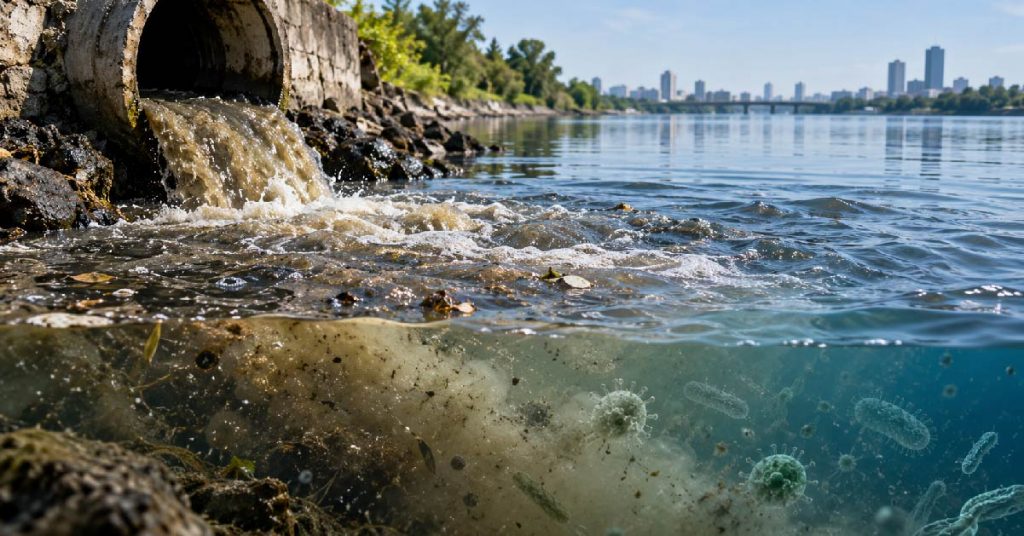
Industrial processes produce wastewater containing contaminants such as chemicals, heavy metals, oils, suspended solids, and organic pollutants. Without proper treatment, this wastewater can pollute rivers, groundwater, and ecosystems.
The importance of industrial wastewater treatment lies in:
- Preventing environmental pollution
- Protecting public health
- Ensuring compliance with regulations
- Enabling water reuse and recycling
- Supporting sustainable industrial operations
Proper treatment helps industries operate responsibly while reducing risks associated with untreated discharge.
Industrial Wastewater Challenges in South Africa
South Africa faces unique water management challenges due to limited freshwater resources and growing industrial demand.
Key challenges include:
- High volumes of industrial wastewater
- Strict wastewater discharge standards
- Scarcity of clean water resources
- Increasing environmental regulations
- Need for sustainable water management
These challenges make efficient Wastewater Treatment systems essential for industrial facilities.
Role of Wastewater Pretreatment
Wastewater Pretreatment is the first step in industrial wastewater treatment and plays a crucial role in removing large solids, oils, and harmful substances before further treatment.
Pretreatment processes include:
- Screening and grit removal
- Oil and grease separation
- Equalization tanks
- Chemical dosing
This stage reduces the load on downstream treatment systems and improves overall efficiency.
Advanced Technologies in Industrial Wastewater Treatment
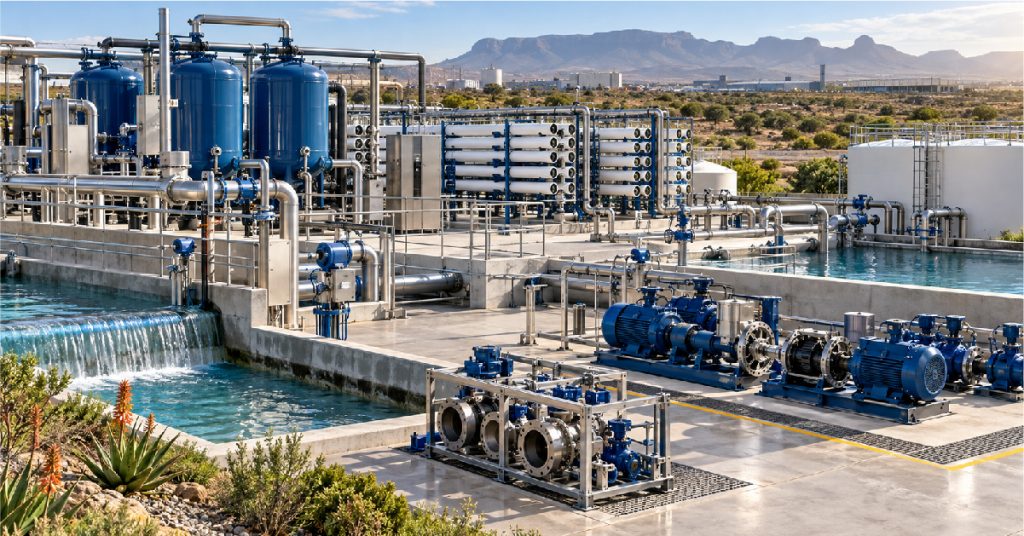
Modern industries rely on Advanced Technologies in Industrial Wastewater Treatment to achieve high treatment efficiency and meet discharge standards.
-
Biological Treatment Systems
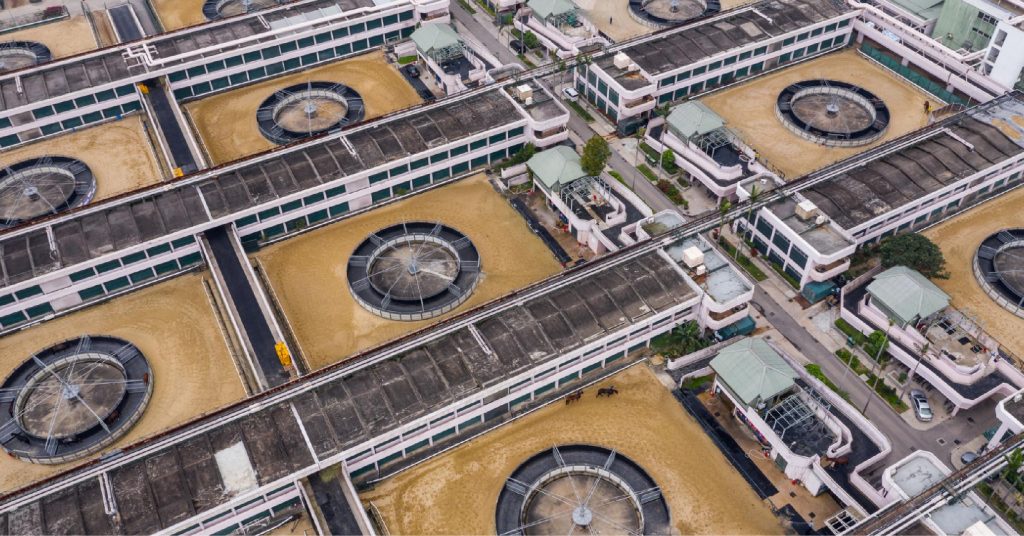
Biological processes use microorganisms to break down organic pollutants.
Common technologies include:
- Activated sludge systems
- Sequencing batch reactors (SBR)
- Aerated lagoons
These systems effectively reduce BOD and COD levels.
-
Membrane Filtration Technologies
Membrane systems provide advanced purification by removing fine particles and dissolved contaminants.
Technologies include:
- Ultrafiltration (UF)
- Nanofiltration (NF)
- Reverse osmosis (RO)
These systems are widely used for water reuse and recycling applications.
-
Chemical Treatment Processes
Chemical treatment is used to remove specific contaminants such as heavy metals and suspended solids.
Processes include:
- Coagulation and flocculation
- Neutralization
- Chemical precipitation
These methods enhance contaminant removal and improve water quality.
-
Advanced Oxidation and Disinfection
Advanced oxidation processes and disinfection systems help eliminate harmful microorganisms and persistent pollutants.
Technologies include:
- UV disinfection
- Ozonation
- Chemical oxidation
These processes ensure safe discharge or reuse of treated water.
Importance of Meeting Wastewater Discharge Standards
Industries must comply with strict wastewater discharge standards set by environmental authorities.
Compliance ensures:
- Protection of natural water bodies
- Avoidance of legal penalties
- Safe discharge of treated water
- Improved corporate sustainability
Meeting these standards requires efficient and reliable wastewater treatment systems.
Benefits of Industrial Wastewater Treatment
Implementing effective Industrial Wastewater Treatment systems provides multiple advantages:
- Reduced environmental pollution
- Compliance with regulations
- Improved operational efficiency
- Reduced freshwater consumption through reuse
- Lower long-term operational costs
- Enhanced corporate sustainability
These benefits help industries maintain responsible operations while supporting growth.
Ion Exchange Solutions for Industrial Wastewater Treatment
Ion Exchange has decades of experience delivering comprehensive industrial water treatment systems across Asia, including South Africa. Our solutions are designed to address the full water lifecycle—from intake and purification to wastewater treatment and reuse.
Cutting-Edge Waste Water Treatment Solutions by Ion Exchange
Ion Exchange pioneers water management solutions by focusing on wastewater recycling and source reduction, while their waste management systems emphasize product recovery and waste minimization. They utilize integrated systems that incorporate innovative, energy-efficient, and cost-effective technologies like membranes, advanced oxidation, and evaporation. These systems conserve water by recycling wastewater and recovering valuable products for reuse, achieving zero liquid discharge objectives. This not only provides customers with a strong return on investment but also contributes to environmental protection.
Ion Exchange carefully selects the most appropriate technologies based on thorough studies, surveys, and pilot testing. Their solutions cater to various industries, including power plants, fertilizers, electronics, textiles, chemicals, food & beverage, pulp & paper, pharmaceuticals, and automotive sectors, enabling efficient recovery and reuse of water and products. Our products include:
Supporting Sustainable Industrial Growth
As South Africa continues to develop its industrial sector, efficient Industrial Wastewater Treatment will remain essential for balancing economic growth with environmental protection.
By adopting advanced technologies, implementing effective pretreatment processes, and ensuring compliance with discharge standards, industries can reduce environmental impact while improving operational performance.
Conclusion
The importance of industrial wastewater treatment in modern industries cannot be overstated. With increasing water scarcity and stricter regulations in South Africa, industries must invest in advanced treatment systems to manage wastewater responsibly.
Through proper Wastewater Pretreatment, adoption of Advanced Technologies in Industrial Wastewater Treatment, and compliance with wastewater discharge standards, industries can ensure sustainable operations while protecting valuable water resources.
FAQs
- Why is industrial wastewater treatment important?
Industrial wastewater treatment prevents pollution, protects water resources, and ensures compliance with environmental regulations. - What contaminants are found in industrial wastewater?
Industrial wastewater may contain chemicals, heavy metals, oils, suspended solids, and organic pollutants. - What is wastewater pretreatment?
Wastewater pretreatment removes large solids, oils, and harmful substances before advanced treatment processes. - What technologies are used in industrial wastewater treatment?
Technologies include biological treatment, membrane filtration, chemical treatment, and advanced oxidation processes. - How does Ion Exchange support industrial wastewater treatment?
Ion Exchange provides advanced treatment systems, pretreatment solutions, and water recycling technologies to ensure efficient wastewater management and compliance.