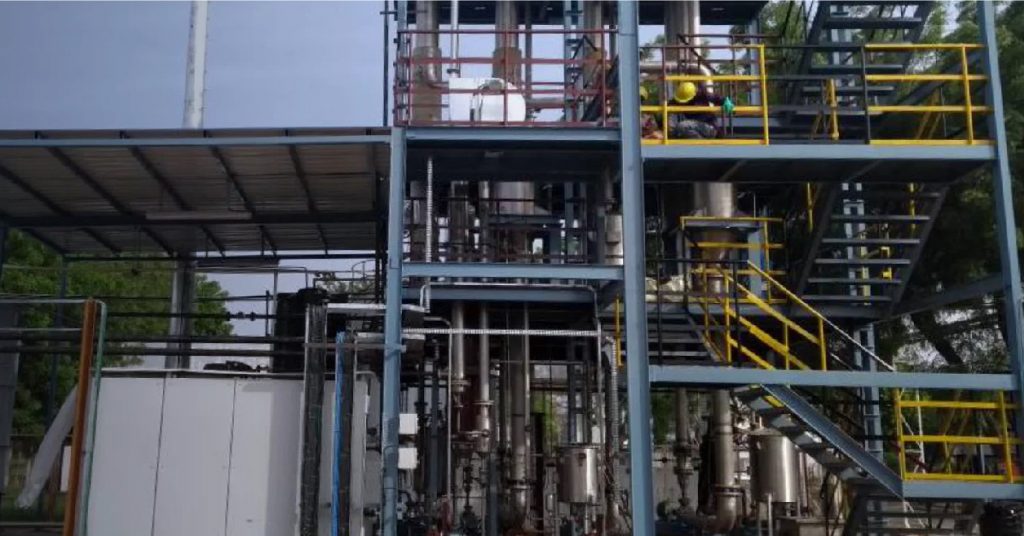
Water scarcity, rising industrial demand, and stringent environmental regulations are reshaping how wastewater is managed across South Africa. Industries can no longer rely on conventional discharge-based treatment models, especially in water-stressed regions. This has led to growing adoption of zero liquid discharge (ZLD)—a comprehensive approach that eliminates liquid wastewater discharge while maximizing water recovery.
ZLD is not just a compliance-driven solution; it is a strategic move toward sustainable wastewater management and long-term water security.
Table of Contents
ToggleWhat Is Zero Liquid Discharge?
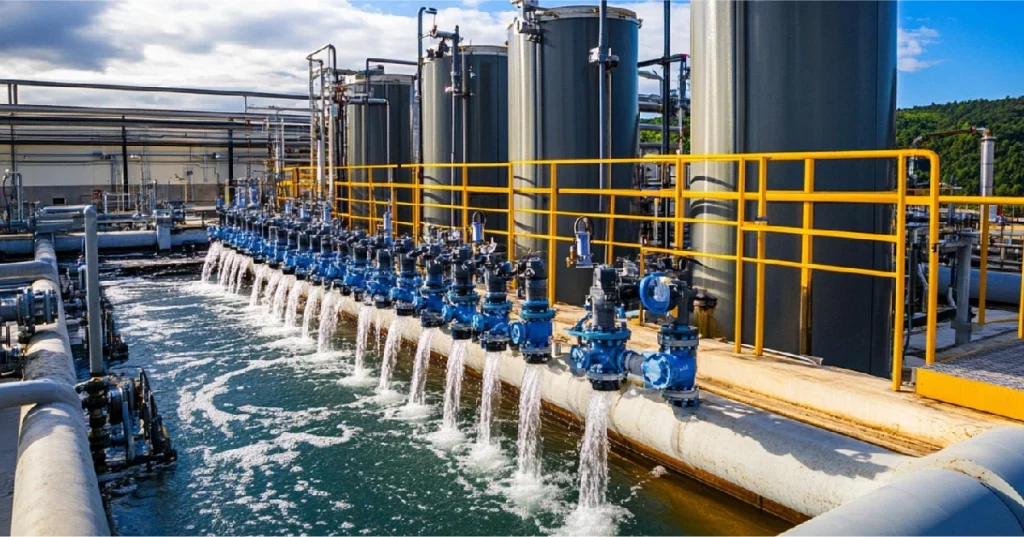
To understand its relevance, it is important to define zero liquid discharge. ZLD is an advanced wastewater treatment approach in which all wastewater generated by a facility is treated, recovered, and reused, leaving no liquid effluent for discharge into the environment.
In a zero liquid discharge system, wastewater is converted into reusable water and solid residues. The recovered water is recycled back into operations, while salts and other solids are safely disposed of or reused where possible.
In South Africa, ZLD is increasingly adopted in industries such as power, mining, chemicals, textiles, food & beverage, and oil & gas—where water availability and environmental compliance are critical concerns.
Why ZLD Is Gaining Importance in South Africa?
Several factors are driving the adoption of ZLD water treatment solutions in South Africa:
- Chronic Water Stress in industrial and mining regions
- Strict Environmental Regulations limiting effluent discharge
- High Cost of Freshwater sourcing and transportation
- Corporate Sustainability Commitments and ESG goals
- Operational Risk Reduction through Water Self-Sufficiency
By eliminating liquid discharge, ZLD reduces environmental impact while strengthening water resilience for industrial operations.
How Zero Liquid Discharge Works?
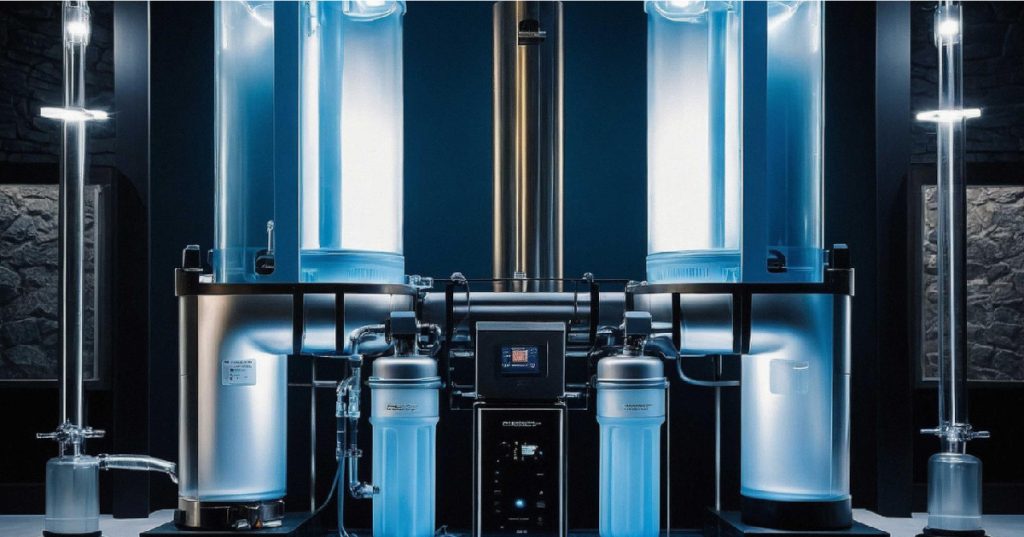
Understanding how zero liquid discharge works requires looking at the system as a multi-stage treatment and recovery process. A typical ZLD system includes the following steps:
1. Pre-Treatment and Primary Wastewater Treatment
Wastewater first undergoes pre-treatment to remove oil, suspended solids, and heavy contaminants. Clarification, filtration, and chemical treatment prepare the water for advanced processing.
2. Membrane-Based Water Recovery
Reverse osmosis (RO) and ultrafiltration systems recover a significant portion of reusable water. These membrane processes reduce dissolved solids and concentrate contaminants into a smaller reject stream.
3. Concentration and Thermal Treatment
The RO reject is further treated using evaporators or mechanical vapor recompression (MVR) systems. These technologies recover additional water while concentrating salts and dissolved solids.
4. Crystallization and Solid Separation
In the final stage, crystallizers convert concentrated brine into solid salts. This step ensures complete elimination of liquid discharge, achieving true zero liquid discharge.
5. Reuse and Disposal
Recovered water is reused for cooling, process, or utility applications, while solid residues are safely disposed of or repurposed depending on their composition.
This integrated zero liquid discharge system ensures maximum water recovery and full compliance with discharge regulations.
Role of ZLD in Industrial Wastewater Management
ZLD represents a paradigm shift in wastewater management—from treatment-for-disposal to treatment-for-reuse. In South Africa, this shift is particularly relevant for industries operating in arid regions or facing strict discharge limits.
Key benefits include:
- Up to 95–99% Water Recovery
- No Liquid Effluent Discharge
- Reduced Dependence on Freshwater Sources
- Improved Environmental Protection
- Long-Term Cost Optimization
By integrating ZLD water treatment, industries can transform wastewater into a valuable resource rather than a liability.
Ion Exchange’s Expertise in Zero Liquid Discharge Solutions
Ion Exchange has decades of experience delivering advanced zero liquid discharge systems tailored to complex industrial wastewater challenges. Our ZLD solutions are designed to balance performance, reliability, and lifecycle cost—while meeting South Africa’s regulatory and environmental requirements.
Achieving Sustainable Water Management with Ion Exchange’s ZLD Solutions
Ion Exchange provides advanced and economical solutions to address water scarcity while ensuring environmental sustainability. Our Zero Liquid Discharge (ZLD) systems are designed to maximize water recovery, reduce wastewater discharge, and generate substantial cost savings. Backed by over 60 years of expertise, we integrate cutting-edge effluent treatment processes, innovative membrane technologies, and state-of-the-art evaporation methods to help industries achieve complete water reuse. By implementing ZLD, businesses can ensure a consistent water supply for process needs, recover valuable by-products, lower water costs, and significantly reduce their reliance on freshwater sources. Additionally, our solutions enable compliance with pollution control regulations, making them an essential choice for industries striving for sustainability and operational efficiency.
Is ZLD the Right Solution for Every Industry?
While ZLD offers significant benefits, it requires careful evaluation. Factors such as wastewater composition, energy availability, operating costs, and reuse objectives must be assessed to design an effective system.
Ion Exchange works closely with industries to determine whether a full zero liquid discharge system or a partial ZLD approach is the most practical and cost-effective solution.
Conclusion
As South Africa continues to face water scarcity and tightening environmental norms, zero liquid discharge is emerging as a critical solution for sustainable industrial growth. By understanding what zero liquid discharge is and how it works, industries can make informed decisions that protect both operations and the environment.
With Ion Exchange’s proven expertise in ZLD water treatment and integrated wastewater management, organizations can confidently adopt zero liquid discharge—turning wastewater into a reliable resource while ensuring compliance and long-term water security.
Connect with Ion Exchange experts today to explore how a customized zero liquid discharge system can support your operations in South Africa.
FAQs
1. How can industries eliminate liquid wastewater discharge?
Industries can eliminate liquid discharge by implementing a zero liquid discharge (ZLD) system that integrates membrane treatment, evaporation, and crystallization to recover water and convert residual brine into solid waste.
2. What industries benefit most from a zero liquid discharge system?
Water-intensive sectors such as power generation, mining, chemicals, textiles, oil & gas, and food & beverage benefit most from ZLD due to high wastewater volumes and strict discharge regulations.
3. Why is ZLD becoming important for industries in South Africa?
Chronic water stress, tightening environmental norms, and rising freshwater costs are driving industries in South Africa to adopt ZLD for compliance, sustainability, and water self-sufficiency.
4. How much water can a ZLD water treatment system recover?
A well-designed ZLD system can typically recover 95–99% of wastewater, significantly reducing freshwater intake and eliminating liquid effluent discharge.
5. What factors determine if ZLD is the right solution for a plant?
Key factors include wastewater composition, recovery targets, energy availability, capital and operating costs, regulatory requirements, and long-term water reuse objectives.