Water is the foundation of life, growth, and economic development — yet South Africa faces mounting challenges in ensuring a consistent and reliable supply. From droughts and aging systems to population growth and industrial expansion, the need for sustainable and resilient water infrastructure has never been more urgent. Strengthening South Africa’s water infrastructure is key not just for meeting current demand, but for securing the nation’s long-term water future.
Table of Contents
ToggleThe Importance of Water Infrastructure
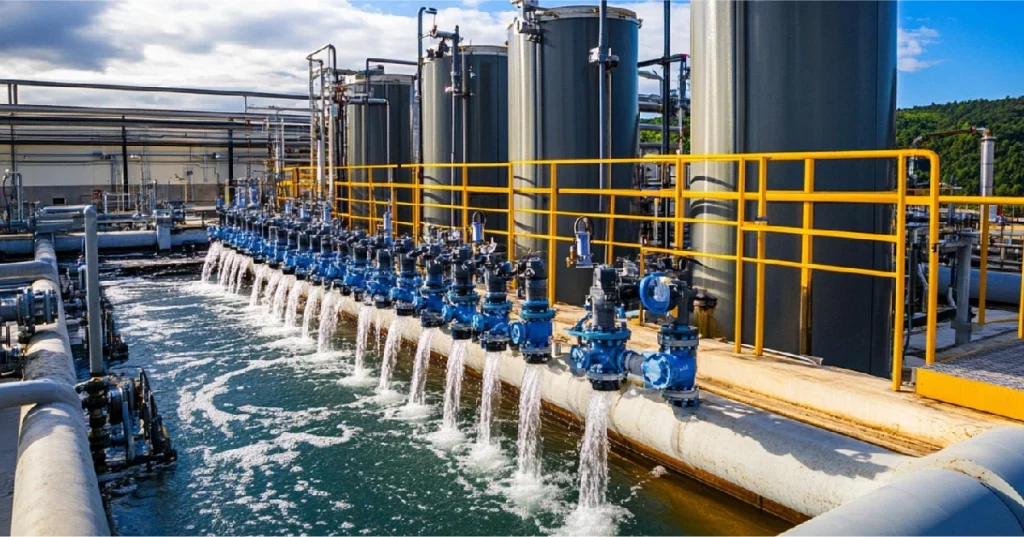
Water supply infrastructure encompasses all components that ensure the collection, treatment, storage, and delivery of water to communities, industries, and agriculture. This includes dams, treatment plants, reservoirs, pipelines, and distribution networks.
In South Africa, these systems face growing strain due to:
- Drought and Climate Change – Recurrent dry spells and erratic rainfall reduce reservoir capacity and groundwater availability.
- Aging Infrastructure – Decades-old pipelines and treatment facilities suffer frequent breakdowns and water losses.
- Urbanization and Industrial Growth – Rising demand in cities and industrial zones outpaces existing infrastructure capacity.
- Inefficient Management – Water losses, leakages, and unmetered consumption increase non-revenue water and operational costs.
Building a robust and modern South African water infrastructure network is essential to address these challenges and ensure equitable access across regions.
Modernizing South Africa’s Water Systems
Resilient water infrastructure is built through modernization — combining engineering excellence with digital innovation. The focus areas include:
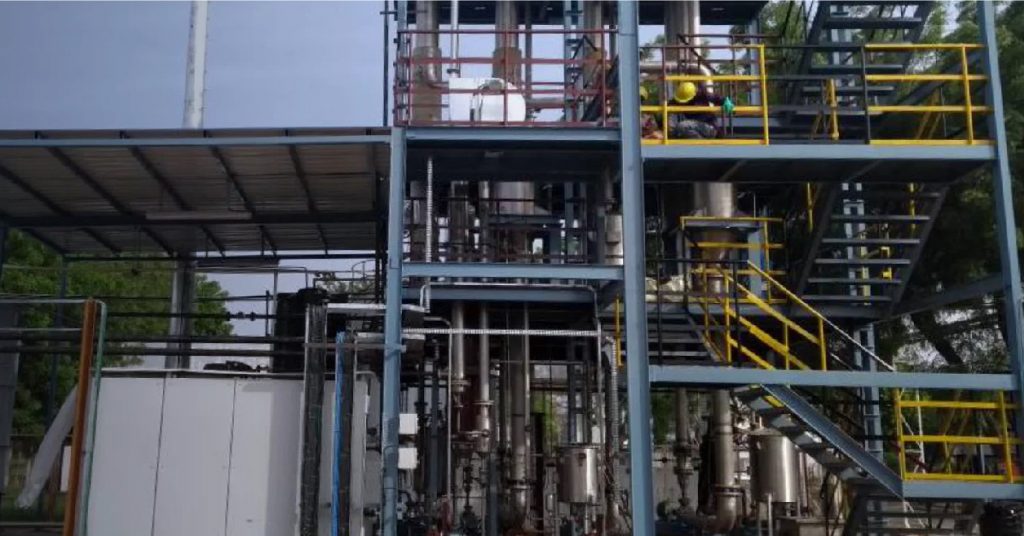
- Upgrading Water Treatment Plants
Expanding capacity and integrating advanced filtration, membrane, and disinfection technologies to improve water quality and reliability.
- Smart Water Supply Infrastructure
Deploying automation and real-time monitoring systems to track flow, pressure, and quality across the distribution network, reducing losses and improving efficiency.
- Groundwater Development and Management
Sustainable extraction and recharge of aquifers to supplement surface water supply, especially in drought-prone areas.
- Desalination and Reuse
Coastal regions are adopting desalination and wastewater recycling to reduce dependence on freshwater resources.
- Public-Private Partnerships (PPPs)
Collaboration between government and industry is critical to funding and executing large-scale water projects that ensure long-term resilience.
These upgrades transform traditional networks into adaptive, future-ready systems capable of withstanding both environmental and economic pressures.
Ion Exchange’s Contribution to South Africa’s Water Infrastructure
Water Infrastructure Development: Driving Sustainable Growth
A nation’s progress depends on strong infrastructure, with water management playing a vital role in industrial growth, public health, and sustainability. Rapid urbanization has increased water consumption and wastewater generation, demanding resilient water infrastructure. The COVID-19 pandemic highlighted the need for reliable water systems, especially in developing nations.
India faces a severe water crisis, with demand expected to double the supply by 2030. A 2020 WWF report identified 30 cities at high water risk by 2050, while the World Bank warns inadequate water management could limit GDP growth. To address this, the Indian government has launched initiatives like AMRUT, the National Mission for Clean Ganga, and Jal Jeevan Mission. Long-term water security requires public-private collaboration, where Ion Exchange plays a crucial role in delivering sustainable water solutions.
With over six decades of expertise, Ion Exchange is a trusted leader in total water and environment management solutions, providing cutting-edge technology, project management expertise, and sustainable solutions to address India’s growing water infrastructure needs. Our strong technical competence and end-to-end capabilities enable us to support government-led initiatives and private sector projects, ensuring access to clean water, efficient wastewater treatment, and environmental conservation.
Key Areas of Expertise
- Turnkey Design & Build Solutions: Ion Exchange offers concept-to-completion solutions, executing large-scale infrastructure projects that include water supply, sewage treatment, wastewater recycling, desalination, and solid waste management. Our extensive project management expertise ensures timely execution and cost-effective solutions.
- Water Supply & Distribution Systems: With the rising demand for clean water, we specialize in designing and constructing reliable transmission mains, distribution systems, pumping stations, storage networks, and comprehensive O&M to provide uninterrupted water access.
- Pipeline Infrastructure Projects: Our capabilities extend to the manufacturing, supply, and installation of cross-country pipelines, including road, rail, and river crossings. We work with various materials, such as iron, MS, PSC, AC, DI, PVC, HDP, E, and GRP, to meet diverse infrastructure needs.
- Utility Buildings & Electrification: Beyond water management, Ion Exchange contributes to sustainable infrastructure development by providing essential electrification and utility building solutions for public and private projects.
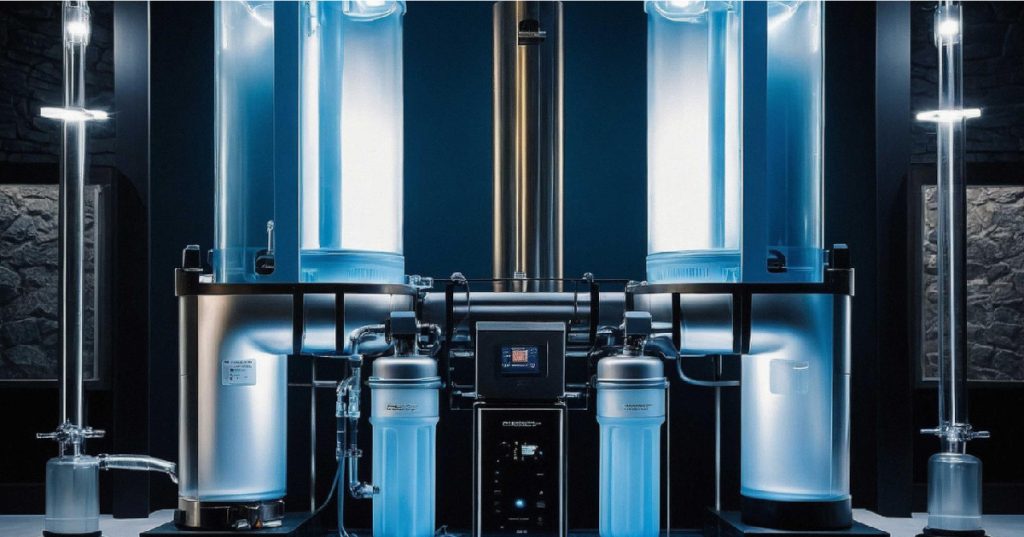
- Drinking Water Treatment & Purification: Ion Exchange provides advanced water purification and treatment solutions, including filtration, chlorination, chemical dosing, and removal of contaminants such as iron, fluoride, arsenic, nitrate, and uranium. Our state-of-the-art plants use PLC automation and modern control systems for efficient operation.
- Seawater Desalination: For coastal regions facing freshwater scarcity, our desalination plants serve as a sustainable alternative. These facilities include seawater intake systems, treatment processes, and underground storage solutions, designed for an efficient and reliable water supply.
- Sewage Treatment & Wastewater Recycling: Our expertise includes sewage collection, treatment, and recycling, utilizing aerobic, anaerobic, and membrane technologies to treat municipal and industrial wastewater. Wastewater recycling not only ensures a dependable decentralized water supply but also provides environmental benefits by reducing pollution and protecting ecosystems.
- Solid Waste Management & Waste-to-Energy Solutions: Ion Exchange integrates advanced technologies to convert municipal solid waste and sludge into clean water, energy (heat & power), and organic fertilizers, promoting a circular economy.
With sustainability at our core, Ion Exchange actively advances the United Nations Sustainable Development Goals (SDGs) through innovative water and environmental solutions. We support SDG 6 (Clean Water & Sanitation) by ensuring safe water access and efficient wastewater treatment, and SDG 7 (Affordable & Clean Energy) by optimizing energy use in water infrastructure. Our cutting-edge technologies drive SDG 9 (Industry, Innovation & Infrastructure), while our sustainable water management systems contribute to SDG 11 (Sustainable Cities & Communities). Through strategic collaborations, we also further SDG 17 (Partnerships for the Goals), working towards a water-secure future.
As India and the world tackle the pressing challenges of water scarcity, Ion Exchange remains at the forefront of developing innovative and sustainable water infrastructure solutions. Through strategic partnerships and cutting-edge technologies, we enable efficient water management while minimizing environmental impact, thus helping industries, municipalities, and governments achieve their water security goals through resilient, future-ready water infrastructure.
Building Resilience for the Future
Resilient water supply infrastructure goes beyond pipes and pumps — it’s about creating systems that can adapt to changing conditions. For South Africa, this means investing in technologies that:
- Reduce dependency on single water sources.
- Minimize non-revenue water losses.
- Promote reuse and recycling.
- Ensure uninterrupted access during droughts and emergencies.
These investments will safeguard communities, enhance industrial productivity, and contribute to national water security — key pillars of South Africa’s Vision 2030 and Sustainable Development Goals (SDGs).
Conclusion
Strong South African water infrastructure is the cornerstone of economic resilience, public health, and environmental sustainability. By combining innovation, modernization, and efficient management, the nation can overcome its water challenges and secure a sustainable future.
Ion Exchange stands at the forefront of this transformation — delivering integrated water supply infrastructure solutions that empower municipalities, industries, and communities to thrive, even in the face of scarcity.